Handling Dental Emergencies: When To See an Emergency Pediatric Dentist
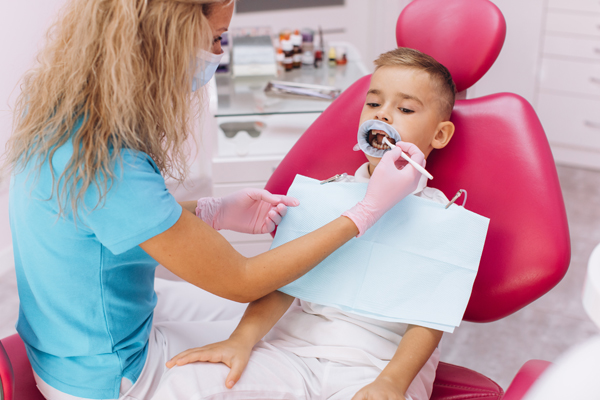
An emergency pediatric dentist provides children with prompt dental care to ease pain and protect their oral health. Sudden dental pain or a damaged tooth can be upsetting, but having an emergency plan in place can ease distress. Parents need to recognize when their child is dealing with a dental emergency so they can get their child the help they need.
What is an emergency pediatric dentist?
A pediatric dentist is different from a family or general dentist. These specialists have additional training and education in the dental needs of infants, toddlers, children, and teens. An emergency pediatric dentist has the additional experience needed to keep children calm while treating common childhood dental emergencies such as knocked-out teeth and severe toothaches. In addition, an emergency pediatric dentist will leave time in their weekly schedule for emergency appointments and usually be available after hours and on weekends.
Key signs a child needs emergency pediatric dentist
Sometimes, it is hard to tell when a dental matter is urgent and when it is something that can wait. However, there are some clear signs the child is dealing with a dental emergency. For example, a knocked-out tooth is a clear dental emergency, as is a severe toothache that does not improve with time or over-the-counter pain medicine. Other signs a child is dealing with a dental emergency include swelling or bleeding gums. Finally, if a child suffers an injury, where a tooth is badly cracked or dislodged, this is probably a dental emergency. When in doubt, a call to a dentist for advice is usually a good first step.
Common pediatric dental emergencies
Recognizing dental emergencies begins with familiarizing oneself with some of the more common ones children face. In addition, parents should know what to do while waiting to see the dentist. In the following situations, parents should have their children wash their mouths with warm salt water and use sterile gauze to control any bleeding. For pain relief, we recommend acetaminophen or ibuprofen for children. Do not apply aspirin paste directly to the injury or infection, as this could be harmful.
Cracked tooth
A cracked or broken tooth is a dental emergency, especially if accompanied by bleeding, swelling, and severe dental pain. The advice is to have the child apply a cold compress to the area of the face affected by the broken tooth. Next, call an emergency dentist. Even a small crack without the other symptoms can allow bacteria to get inside the tooth and cause infection. Therefore, getting the child to a dentist as soon as possible is still best.
Knocked out teeth
Tooth loss by trauma is a common childhood emergency, especially among children who play contact sports. If a child's tooth is knocked out, put the tooth in milk and any tissue, and call an emergency pediatric dentist. If it is a permanent tooth, get the child to the dentist immediately for the best chance to save it. Dentists do not typically reimplant baby teeth; however, they will likely recommend a space maintainer for the child to wear until the permanent tooth arrives.
Infections and abscesses
Severe dental pain and a tooth surrounded by pus and swelling are likely signs of an infection or abscess. These can happen for a number of reasons, including dental decay or an unnoticed dental injury that has led to infection. If the infection is causing the child difficulty breathing or swallowing, this is a medical emergency, and the child should be taken to the ER. Otherwise, an emergency pediatric dentist should treat the child immediately, as the infection can worsen and spread.
Displaced tooth
Displacement is another pediatric dental emergency often caused by trauma. It happens when a tooth has been loosened or moved from its natural position. After applying a cold compress to the affected area and performing the advised at-home care, call an emergency pediatric dentist.
Finding an emergency pediatric dentist
We recommend parents locate an emergency pediatric dentist before they need one. This will make things much smoother and less stressful when an emergency strikes. A good place to start would be with recommendations from one or one's child's primary dentist. In fact, a child's pediatric dentist may even have emergency hours. Another option is to perform an internet search for emergency pediatric dentists in the local area. This is a quick and easy way to find local dentists and even get reviews from their patients.
Emergency care when you need it
Do not wait for an emergency to strike. Have a plan set up ahead of time. Our emergency pediatric dentist provides care to children in Reston and the surrounding area. Call us today to learn more.
Request an appointment here: https://www.orthodonticprecision.com or call Precision Orthodontics & Pediatric Dentistry at (703) 391-8800 for an appointment in our Reston office.
Check out what others are saying about our dental services on Yelp: Emergency Dentist in Reston, VA.
Recent Posts
A lot of people wonder if teeth straighteners like Invisalign® and playing sports are compatible. If you are active and involved in sports, you might think teeth straighteners and physical activity cannot mix. But many older teens and adults successfully use Invisalign while continuing to play sports. You may not want to choose between improving…
There are numerous ways to straighten teeth, and Invisalign® is an increasingly popular method. Unlike traditional braces that use metal or ceramic attachments hooked to a wire to pull the teeth straight over time, this treatment uses clear aligners that can be taken out when eating or brushing. For the desired results, it helps to…
Maybe you want to straighten your teeth, but you are looking for a more discreet method like Invisalign®. These aligners have exploded in popularity because they are a less obvious way to correct misaligned teeth. Many people with alignment issues who were unsure about braces have now embraced Invisalign. You might be on the fence…
Adult orthodontics is not only for teenagers. More adults choose orthodontic treatment to straighten their teeth, improve their bite, and feel better about their smile. While clear aligners get most of the attention, metal braces remain a practical and reliable option in adult orthodontic treatment. Modern braces are smaller and less bulky than older versions…